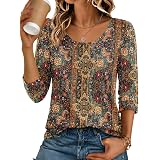

The visual exploration of gym outfits, as showcased in the video above, prompts a deeper discussion. Modern activewear transcends simple aesthetics. It is a critical component of any effective fitness regimen. Selecting the right workout apparel significantly impacts performance. It also influences comfort during intense sessions. This specialized clothing has evolved considerably. It combines advanced textile science with ergonomic design. The goal is to support the wearer’s every movement.
Beyond Aesthetics: The Functional Imperative of Workout Apparel
Modern gym outfits are engineered for peak performance. Technical fabrics form the foundation of this innovation. These materials offer superior moisture-wicking properties. Sweat is drawn away from the skin rapidly. This keeps athletes dry and comfortable. Breathability is another crucial aspect. It prevents overheating during strenuous activity. Imagine a long-distance runner in subpar fabric; discomfort would quickly ensue. Optimal thermoregulation helps maintain body temperature efficiently. This allows the body to focus on exertion.
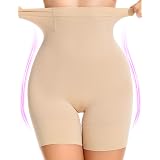
Compression garments are vital for many athletes. They provide targeted support to muscle groups. This can reduce muscle vibration and fatigue. Blood flow may also be enhanced. Improved circulation aids in faster recovery. Think of a powerlifter utilizing compression leggings. They experience minimized muscle oscillation. This contributes to better form and reduced injury risk. Such garments are not merely for show. They serve a genuine physiological purpose. Ultimately, they elevate the entire workout experience.
Ergonomics and Design: Engineering for Movement
The construction of workout apparel is meticulously planned. Garment designers prioritize unimpeded movement. Features like flatlock seams prevent chafing. This is crucial during repetitive actions. Seamless construction minimizes irritation points. Consider a yogi performing complex poses. Their clothing must move with them, not against them. Articulated knees and gusseted crotches are common. These design elements ensure a full range of motion. They prevent fabric pulling or tearing.
Strategic ventilation is key for comfort. Mesh panels are often integrated into high-sweat areas. These zones include the back, armpits, and inner thighs. This targeted airflow aids in cooling the body. Durability is also a significant factor. Activewear undergoes rigorous stress testing. It must withstand frequent washing and intense use. Reinforced stitching in high-stress zones prevents premature wear. This ensures the longevity of your valuable fitness gear. Quality construction is an investment in your training.
The Psychology of Performance: Confidence Through Style
The adage “look good, feel good, perform good” holds truth in fitness. Your gym outfit significantly impacts your mental state. A well-fitting, stylish ensemble can boost confidence. This feeling directly translates to increased motivation. The “glowmode” aesthetic, often seen in fitness circles, is more than superficial. It represents an intentional embrace of self-care. It reflects a desire to feel empowered. When you feel confident, you push harder. This psychological edge is invaluable.
Color psychology also plays a role. Certain hues can evoke different feelings. Bright colors might energize and uplift. Cooler tones could promote focus and calm. Your personal style is reflected in your workout clothes. It allows for self-expression within the gym environment. Branding on activewear fosters a sense of belonging. It connects individuals to a broader fitness community. Choosing a specific brand can align with your values. This enhances your overall training identity.
Navigating the Activewear Landscape: Choosing Your Optimal Gym Outfit
Selecting the ideal workout apparel requires consideration. Different activities demand specific features. For instance, high-impact running needs robust support. Yoga benefits from maximum flexibility and minimal restriction. Weightlifting may require durable, breathable fabrics. These choices directly impact performance and safety. Understanding fabric composition is also essential. Blends of polyester, nylon, and elastane are common. Each material offers unique benefits. Elastane provides stretch and shape retention.
Fit is paramount; it impacts both comfort and function. Ill-fitting garments can restrict movement. They might cause discomfort or even injury. Always try on gym outfit pieces before purchase. Ensure they allow a full range of motion. Investing in quality activewear often pays off. Durable materials and superior construction last longer. This reduces the need for frequent replacements. Proper care, such as washing according to instructions, extends garment life. Your workout apparel is a crucial tool for success.
Ultimately, your choice of gym outfit combines science with personal preference. It’s about optimizing both physical output and mental well-being. The synergy of technical fabrics, ergonomic design, and personal style creates a powerful combination. This approach ensures every training session is supported. It allows you to perform your best. High-quality workout apparel truly elevates your fitness journey. It transforms simple exercise into a comprehensive experience.
Your Glow-Mode Workout Outfit Q&A
What is the main purpose of modern gym outfits?
Modern gym outfits are important because they impact your performance and comfort during exercise. They are designed to support your movements and enhance your fitness routine.
What are ‘technical fabrics’ in workout clothes?
Technical fabrics are special materials used in workout clothes that help keep you dry and comfortable. They do this by drawing sweat away from your skin and allowing air to circulate.
Why is comfort important in gym clothing design?
Comfort is vital in gym clothing design to prevent irritation and allow free movement. Features like flatlock seams and mesh panels reduce chafing and help keep you cool.
Can my gym outfit affect how I perform?
Yes, your gym outfit can affect your performance by boosting your confidence and motivation. When you feel good in what you’re wearing, it can help you push harder during your workout.