
Building a cohesive and impactful personal style can often feel like an overwhelming endeavor, especially with the sheer volume of trends and advice available. Have you ever wondered how to truly master the foundational pieces that form the bedrock of any exceptional wardrobe, ensuring they not only complement each other but also distinctly reflect your individual aesthetic? As explored in the insightful discussion above, the journey begins with a strategic approach to selecting your wardrobe essentials.
This comprehensive guide aims to expand upon the principles discussed, delving deeper into the nuances of fit, fabric, and strategic pairing, all while adhering to an expert technical depth. The goal is to equip you with the knowledge to navigate the complexities of modern fashion, transforming guesswork into informed decisions. By understanding the core tenets of style, a versatile and impactful collection of wardrobe essentials can be curated, laying a robust foundation for stylistic evolution.
The Core of Style: Understanding Wardrobe Essentials
Wardrobe essentials are not merely basic garments; they are the fundamental building blocks upon which an entire personal style is constructed. Their strategic importance lies in their versatility and timeless appeal, allowing for countless outfit combinations without necessitating a vast collection of trendy pieces. Investment in these foundational items is often advocated by stylists and fashion experts, given their enduring relevance across various seasons and shifting fashion cycles. From a practical standpoint, a well-curated set of essentials minimizes decision fatigue and maximizes utility, ensuring that a polished look is always within reach. The initial focus, as highlighted in the video, must invariably be on fit, as this single factor profoundly influences how any garment is perceived on the body.
Firstly, the paramount consideration when selecting any garment should always be its fit. An impeccably fitting piece, even one of rudimentary design, instantly elevates an outfit, conveying intentionality and sophistication. Conversely, ill-fitting clothing, regardless of its brand or perceived quality, can undermine an otherwise well-considered ensemble. Studies in apparel psychology frequently indicate that garments that properly contour the wearer’s physique are associated with increased confidence and positive social perceptions. This foundational emphasis on proper fit is particularly crucial for wardrobe essentials, as their versatility is directly proportional to how well they integrate with the wearer’s body and other pieces.
Decoding Tops: T-Shirts, Hoodies, and Crewnecks
The upper half of an outfit serves as a primary canvas for expression, with T-shirts, hoodies, and crewnecks forming crucial elements of casual and contemporary fashion. Each category offers distinct styling opportunities, demanding careful consideration of fit and form. Understanding the subtle differences in their design and application allows for a nuanced approach to building a versatile top-wear collection.
T-Shirt Dynamics: The Foundational Layer
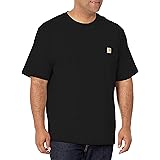
The T-shirt, often lauded as the quintessential basic, holds unparalleled importance within a functional wardrobe. Its simplicity belies its profound impact on an outfit’s overall aesthetic, making fit a non-negotiable aspect of selection. Regular, standard-fitting T-shirts are inherently designed to anchor neutrality, providing a balanced base for more expressive layering pieces or bolder bottoms. This classic silhouette offers universal appeal, making it a reliable choice for nearly any casual context.
Secondly, the advent of modern fashion has seen a significant rise in the popularity of oversized T-shirts, which offer a more relaxed and contemporary silhouette. These garments are intentionally designed with a looser drape, providing a forgiving fit that pairs exceptionally well with other voluminous pieces, such as baggy trousers or wide-leg jeans. The subjective nature of an “ideal” oversized fit means personal preference plays a substantial role, though care must be taken to avoid an appearance of being drowned in fabric, particularly concerning length. This style allows for a playful exploration of proportions, a key element in current streetwear aesthetics.
Thirdly, cropped shirts have emerged as a significant trend, strategically utilized to redefine silhouettes and introduce a distinct visual break between the upper and lower halves of an outfit. This style is particularly effective in creating a sense of heightened proportions, allowing the waistline of pants or skirts to be emphasized. When contemplating graphic or vintage T-shirts as essentials, priority must consistently be given to fitment over the graphic itself. A well-fitted, understated graphic tee will invariably project a more polished image than a poorly fitted one, regardless of the graphic’s intrinsic appeal, preventing an unintended childish or unkempt appearance. Furthermore, for those who invest significant effort in their physique, slim and form-fitting shirts serve as an excellent medium to showcase the body’s natural lines, demanding a precise fit to avoid discomfort or an overly restrictive look.
Hoodies & Crewnecks: Comfort Meets Visual Impact
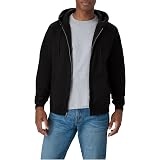
Hoodies and crewnecks are predominantly recognized for their inherent comfort, a characteristic that dictates their optimal fit. Unlike the more structured nature of some T-shirts, these items are generally intended to offer a relaxed drape, providing ease of movement and a cozy feel. An overly fitted hoodie, for instance, often contradicts its fundamental purpose, disrupting the intended relaxed aesthetic. Current trends frequently favor boxier fits, which offer a contemporary silhouette without sacrificing comfort, maintaining a balanced proportion when paired with various bottoms.
Furthermore, while an oversized hoodie certainly has its place for ultimate coziness, attention to its overall length is crucial to prevent a ‘drowning’ effect, particularly for individuals with shorter torsos. A well-proportioned oversized hoodie typically maintains a flattering length, allowing it to be easily worn without appearing ungainly. Moreover, one of the most effective yet frequently overlooked strategies for elevating hoodies and crewnecks lies in the strategic application of color theory. Given the substantial amount of fabric these garments present, they offer significant visual real estate within an outfit, making them ideal vehicles for sophisticated color play.
The video briefly introduced complementary and analogous colors; however, the depth of color theory extends further. Complementary colors, positioned opposite each other on the color wheel (e.g., blue and orange), create high contrast and visual excitement, making an outfit pop. Analogous colors, located adjacent to one another (e.g., blue, blue-green, green), foster a harmonious and calm aesthetic. Beyond these, a monochromatic scheme, utilizing different shades, tints, and tones of a single color, offers subtle sophistication. For instance, a richly colored hoodie, employing a deep jewel tone like emerald green or sapphire blue, can become a focal point, drawing admiration without demanding excessive attention. This subtle form of “peacocking” allows for a refined display of personal style, demonstrating an astute understanding of visual dynamics. Leveraging such principles can transform a simple hoodie into a powerful statement piece, garnering appreciation for its thoughtful integration into an ensemble.
Mastering the Lower Half: Pants and Denim
Navigating the world of pants and denim often presents a greater challenge than selecting tops, as the nuances of fit, cut, and fabric significantly impact the overall silhouette. The interaction between pants and footwear, as well as their proportionality with the upper garment, introduces numerous variables that demand careful consideration. A precise understanding of these elements is pivotal for achieving a balanced and flattering look.
Jeans: The Versatile Cornerstone
Jeans stand as an undisputed pillar of wardrobe essentials, with the straight fit reigning supreme for its enduring versatility. Classic examples, such as the Levi’s 501, have set the benchmark for this timeless silhouette, proving adaptable across an extensive array of colors, washes, and material compositions. This particular cut is lauded for its inoffensive nature, integrating seamlessly with both oversized and slim-fitting tops, thereby serving as a robust neutral anchor in any wardrobe. For those embarking on their sartorial journey, prioritizing a perfectly fitted straight-leg jean is strongly advised, as it provides a true fundamental piece from which further stylistic exploration can confidently commence.
Secondly, critical attention must be paid to the length of jeans, a factor frequently underestimated in its impact on the overall presentation. Even a mere one or two inches of excess fabric can drastically alter the intended drape and silhouette, often leading to a sloppy or ill-proportioned appearance. Professional hemming is a small investment that yields substantial returns, transforming a potentially neglected pair of jeans into a daily staple. The ideal length often allows the fabric to slightly “break” or fall cleanly over the chosen footwear, whether sneakers or boots, creating a harmonious transition. This meticulous approach to length ensures that the leg line remains clean and intentional, contributing significantly to a refined aesthetic.
Beyond Straight Fit: Exploring Proportions and Silhouettes
While the straight fit offers a solid baseline, the broader landscape of pants allows for more dynamic explorations of proportion and silhouette. The principle of balancing volumes – pairing big pants with big tops, or slim pants with slim tops – often yields visually cohesive results. This method, while simplified for broad applicability, provides an effective template for achieving sartorial harmony. However, for individuals with a discerning eye and an appropriate bodily frame, the combination of big pants with a smaller, more fitted top can create an incredibly flattering visual dynamic. This juxtaposition plays with contrast, emphasizing both the breadth of the lower half and the definition of the upper body, resulting in a contemporary and fashion-forward look.
Furthermore, the nuance of pant length extends beyond traditional cuts to include cropped styles, which have gained considerable traction in modern fashion. While cropped pants offer a distinctive aesthetic, particularly in showcasing unique footwear, the degree of crop requires careful calibration. An overly aggressive crop can disrupt the visual balance, appearing disproportionate or even “silly.” A subtle crop, however, allows for intentional exposure of the ankle or top of the shoe, enhancing the overall outfit without becoming overly pronounced. When considering footwear, pants are often preferred to fall gently over sneakers, creating a relaxed yet deliberate line. For boots, while a clean break just above the boot shaft is a common preference, allowing pants to subtly drape over the boot can also achieve a stylish, effortless look, allowing for personal taste to dictate the final styling decision.
The Role of Color, Wash, and Material in Denim
The visual characteristics of denim—its color, wash, and material composition—play a pivotal role in dictating its versatility and how it integrates into a wardrobe. A slight fading in denim, for instance, has a remarkable ability to diffuse the garment’s visual impact, softening its presence and making it inherently easier to pair with a wider range of tops and accessories. This subtle texturization breaks up the monolithic block of color, allowing the jeans to integrate more seamlessly into casual ensembles without drawing undue attention to themselves.
In contrast, jeans characterized by a more solid and pronounced color, such as raw indigo or jet black, command greater attention to their fit and silhouette. The absence of significant fading creates a more defined shape, which can be harnessed to emphasize the architectural lines of the pants and their interaction with the rest of the outfit. While such pieces can offer a striking visual, they demand a more precise fit to avoid appearing stiff or unyielding. Moreover, the selection of denim washes—from light to medium blue, or various shades of black—can significantly complement different skin tones. For individuals with warmer, tanner complexions, a medium blue wash is frequently observed to provide a flattering contrast, enhancing the natural warmth of the skin. Conversely, a slightly faded black jean is almost universally flattering, offering a versatile option that transcends seasonal trends and personal color palettes. These considerations ensure that the chosen denim not only fits well but also harmonizes with the wearer’s individual attributes, contributing to a more cohesive and intentional personal style.
Strategic Wardrobe Building & Smart Shopping
The journey of refining one’s personal style is inherently an iterative process, often described as a “guess and check” method rather than a rigidly defined formula. This continuous experimentation, involving the trial and error of different pieces and combinations, is precisely how individual preferences and optimal fits are discovered. The fashion landscape is not easily “metrocized” or quantifiable, necessitating a fluid approach to building an effective wardrobe. This learning curve, while sometimes frustrating, is fundamental to developing an authentic style that truly reflects the wearer. Patience and an openness to adaptation are key virtues in this process.
To mitigate the often-overwhelming aspect of this trial-and-error, a foundational approach using wardrobe essentials is highly recommended. By establishing a core collection of versatile, well-fitting pieces, the complexity of outfit creation is significantly reduced, allowing for more confident experimentation with accessory or accent items. This strategy often leads to the development of a ‘capsule wardrobe,’ a curated selection of clothing that maximizes interchangeability and minimizes unnecessary purchases. Such a method not only streamlines the dressing process but also promotes a more sustainable approach to fashion consumption, emphasizing quality over sheer quantity.
Furthermore, the strategic acquisition of these essential pieces can be significantly optimized through smart shopping practices. Platforms like Rakuten exemplify how conscious consumerism can be financially advantageous. As a leading cashback site boasting partnerships with over 3,500 retailers, including prominent fashion brands like Nike, Adidas, and Under Armour, Rakuten offers a tangible benefit for routine purchases. Users, many of whom, like the video’s speaker, have leveraged such services for years prior to any sponsorships, find substantial savings accumulating over time. For instance, new members signing up and making a qualifying purchase are often rewarded with incentives such as $30 directly credited to their account. This mechanism effectively transforms everyday shopping into an opportunity for “free lunch,” enabling the acquisition of high-quality wardrobe essentials without the usual financial strain. By integrating such tools into one’s shopping routine, the investment in a superior wardrobe foundation becomes an even more attainable and rewarding endeavor.
Unpacking Your Essential Wardrobe Questions
What are wardrobe essentials?
Wardrobe essentials are fundamental, versatile clothing items that form the base of your personal style. They allow for countless outfit combinations and remain relevant across different seasons.
What is the most important thing to consider when choosing any clothing item?
The paramount consideration when selecting any garment should always be its fit. An impeccably fitting piece, even a simple one, instantly elevates an outfit and boosts confidence.
What kind of jeans are recommended for building a foundational wardrobe?
Straight-fit jeans, like classic Levi’s 501s, are highly recommended because of their enduring versatility. They serve as a robust neutral base that pairs well with many different tops.
Why is the length of jeans important?
The length of your jeans critically impacts the overall presentation and silhouette. Even a small amount of excess fabric can make jeans look sloppy, so professional hemming is often advised for a polished appearance.