
A simple formula for dressing well and looking good can be followed to create a consistently polished appearance. As seen in the video above, achieving a stylish look doesn’t have to be complicated. By focusing on foundational pieces and understanding how to combine them, a versatile and appealing wardrobe is easily built.
Establishing the Foundation with Seasonal Jackets
The selection of an appropriate jacket forms the initial step in building a well-rounded outfit. Consideration is given to the prevailing season, ensuring both comfort and style are maintained. Heavier fabrics are generally chosen for the colder months, providing necessary warmth and a substantial aesthetic.
For instance, flannel, tweed, and heavier wools are often preferred when temperatures drop. These materials offer excellent insulation and a rich texture that contributes to a more dressed-up or rugged look, depending on the cut. A blazer or sport coat in these materials can anchor many different ensembles.
Conversely, lighter, more breathable fabrics are typically selected for warmer seasons. Cotton, linen, hopsack, and fresco are popular choices because of their inherent breathability and lighter feel. A linen blazer, for example, is ideal for a summer wedding, while a cotton sport coat might be favored for a business casual environment.
The Importance of the Collared Shirt
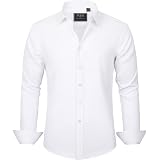
Layering a collared shirt beneath a jacket is a crucial step in defining the outfit’s overall formality. The style of the collar itself significantly influences the impression conveyed. Different collar types are chosen for various occasions, from formal business settings to relaxed weekend wear.
A classic spread collar shirt is generally considered more formal, often complementing a tie and suiting. This style allows for a larger tie knot to be accommodated gracefully. Such shirts are frequently seen in professional environments or during more upscale social events.
For a more casual and relaxed aesthetic, the button-down collar is frequently opted for. This style originated in polo and is inherently sportier, making it suitable for business casual or even smart casual outfits. The buttons keep the collar points in place, lending a neat yet approachable look.
Selecting Basic Trousers for Versatility
When it comes to trousers, sticking to basic, versatile options allows for a wide range of outfit combinations. Key foundational pieces are chosen to cover various dress codes, minimizing the need for an excessive number of specialized items. This approach ensures that outfits are easily put together.
For business or dressier looks, gray wool or flannel trousers are indispensable. These offer a sophisticated appearance and can be paired with various jackets and shirts. The texture of flannel also adds a touch of classic elegance, especially during cooler months.
Khakis or navy chinos are often selected for business casual settings. These trousers strike a perfect balance between formal and informal, being comfortable yet sufficiently polished. They are easily dressed up with a collared shirt and a blazer or dressed down with a simple polo.
For truly casual ensembles, blue jeans remain a timeless choice. A well-fitting pair of dark-wash jeans is incredibly versatile and can be worn in numerous relaxed contexts. The key is to select a fit that is flattering and a wash that is not overly distressed, maintaining a clean aesthetic.
Choosing the Right Leather Shoes
The choice of footwear plays a significant role in completing an outfit and often dictates its overall level of formality. A good-looking leather shoe is an investment that elevates any ensemble. Different styles are chosen to match the formality of the clothing and the occasion.
Dark oxfords are typically reserved for the most formal occasions, such as business meetings, weddings, or black-tie events. Their sleek design and closed lacing system convey a high degree of sophistication. Black or dark brown are classic choices that are considered essential.
For those in-between dress codes—think smart casual or less formal business attire—light oxfords or derbies are frequently chosen. Derbies, with their open lacing system, are inherently more relaxed than oxfords but still maintain a polished appearance. Lighter brown or tan shades can add a contemporary touch.
Pebble-grain derbies or minimal sneakers are suitable options for casual outfits. Pebble-grain leather introduces a textural element, making the shoes feel more robust and less formal. Minimalist leather sneakers, particularly in white or black, offer a comfortable yet stylish alternative for relaxed weekend wear, fitting perfectly into a simple formula for dressing well.
Tailoring Your Questions: Q&A
What is the basic idea of dressing well according to this guide?
The basic idea is to follow a simple formula using foundational pieces like jackets, shirts, trousers, and shoes to create a consistently polished look.
How do I choose a jacket based on the season?
For cold weather, pick heavier fabrics like wool or flannel, and for warm weather, choose lighter, breathable fabrics such as cotton or linen.
What’s the difference between a formal and casual collared shirt?
A classic spread collar shirt is generally more formal and suits ties, while a button-down collar shirt is more casual and suitable for relaxed looks.
What types of trousers are considered versatile basics?
Gray wool trousers are good for business, khakis or navy chinos for business casual, and dark-wash blue jeans for casual outfits.
How do shoes affect how formal my outfit looks?
Your choice of leather shoes completes an outfit and helps define its formality, with different styles suited for formal, smart casual, or casual occasions.